2026 Primary Election Advertising: How Mobile Billboard Trucks Reach Battleground Voters
Win Attention Before Voters Decide
The final stretch of the 2026 primary calendar is here. Digital LED mobile billboard trucks help candidates, political committees, advocacy groups and public-awareness campaigns place bold, flexible messaging in the neighborhoods, traffic corridors and event zones where voter attention is concentrated.
Updated August 3, 2026 · Primary dates are subject to official changes.
Political campaigns cannot afford invisible advertising
Primary elections move fast. Candidates must introduce themselves, establish name recognition, explain a clear message and motivate supporters before a deadline that will not move for the campaign. Digital ads, television, direct mail and field organizing remain important, but every one of those channels competes for attention in a crowded environment.
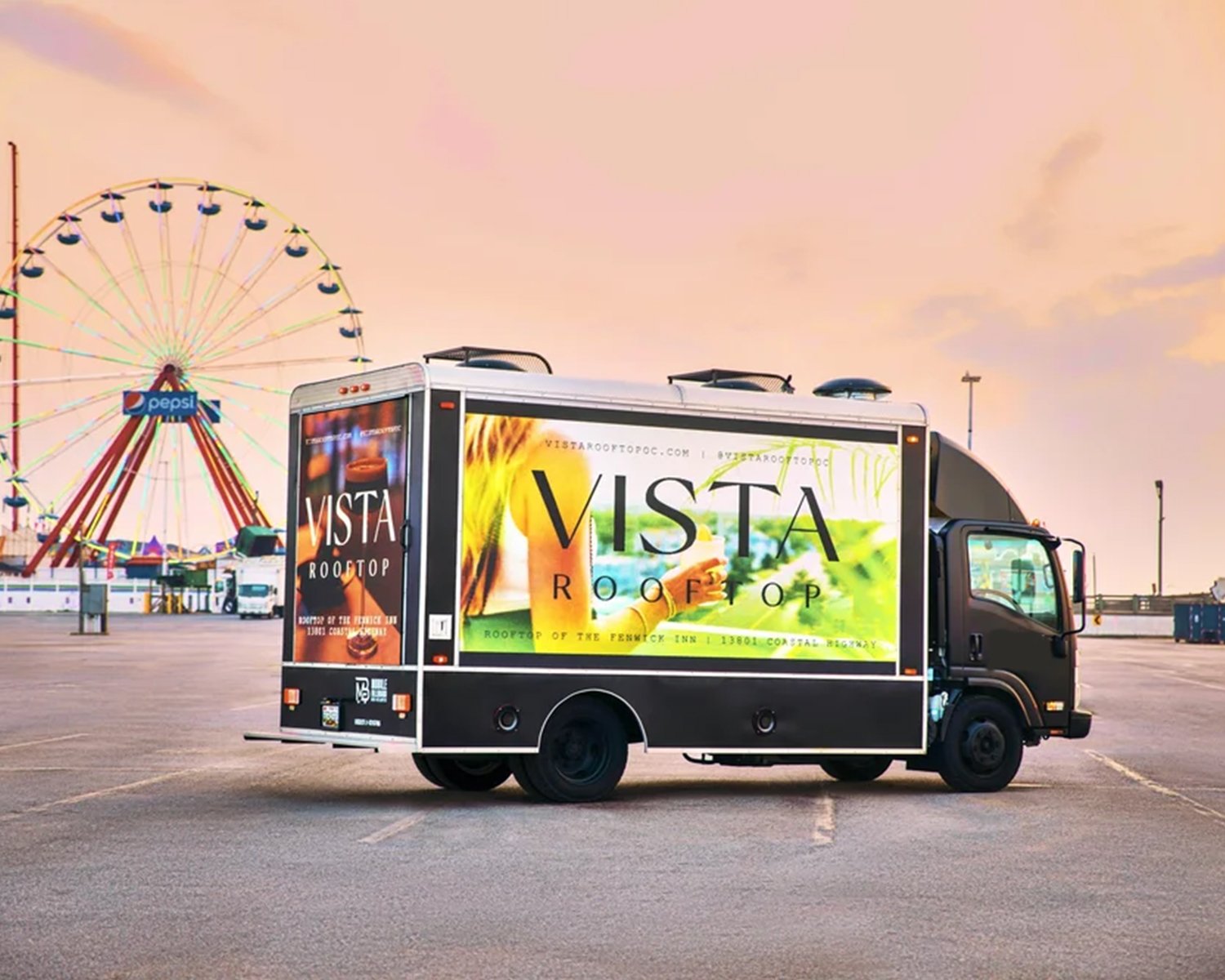
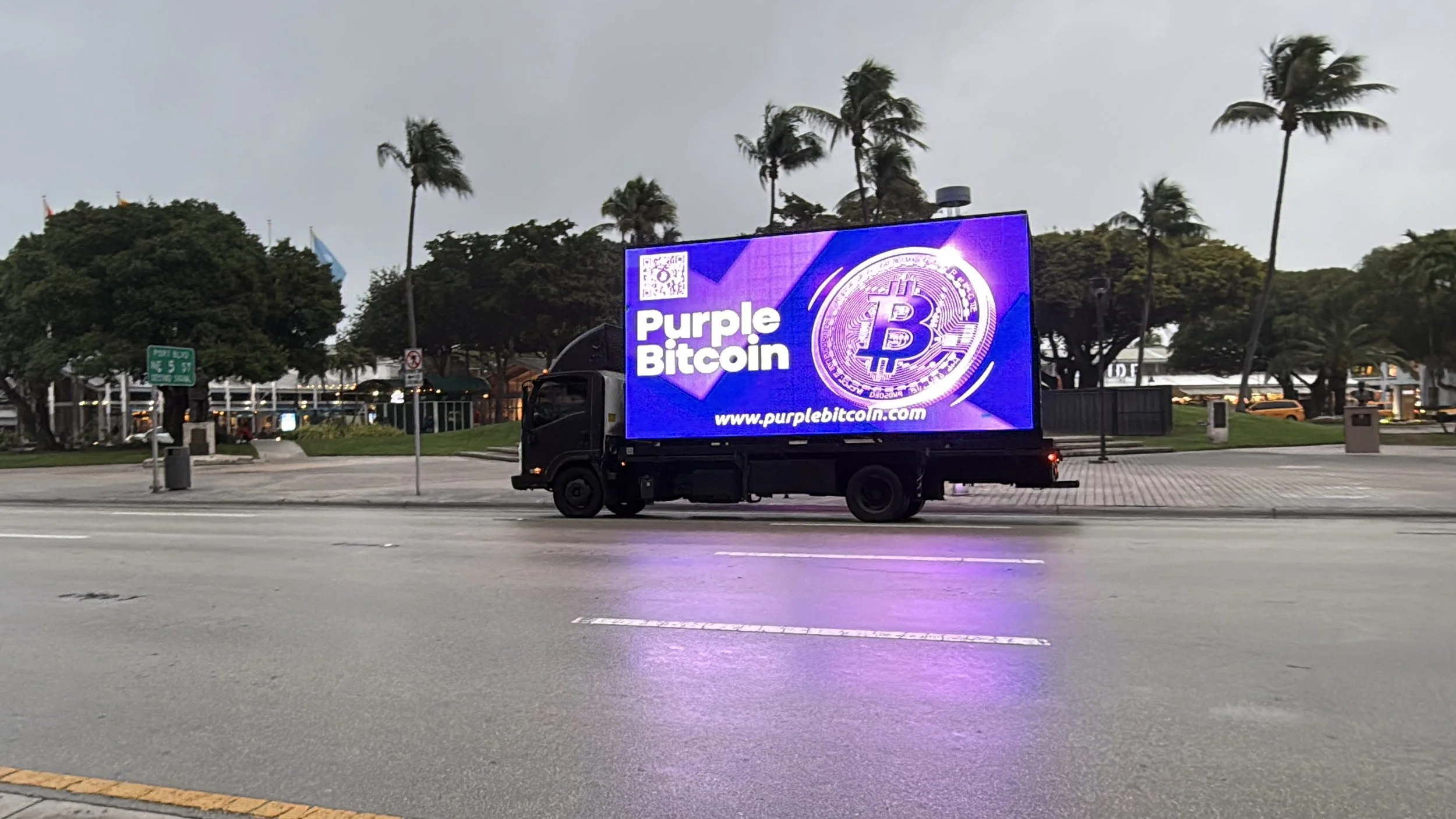
A digital LED mobile billboard creates a large street-level media presence that moves with the campaign. Instead of waiting for an audience to reach one location, the truck can follow a planned schedule through commuter corridors, downtown business districts, community events, college areas, rally zones, commercial centers and other legally approved high-visibility routes.
The creative can rotate candidate images, short issue statements, voting reminders, event invitations, endorsements, website addresses, QR codes and video. Messages can also be updated as the campaign advances, making the platform useful for early voting, election-week reminders and rapid-response communication.
Upcoming primary election dates
Campaign teams should confirm every date, voting period and electioneering rule with the appropriate state or local election authority before launching creative or finalizing a route.
Battleground states and districts demand repetition
“Battleground” status can change by office, district, candidate and polling environment. Campaign planners should use current race-level data, then build routes around the communities that matter to that specific contest.
Michigan
Michigan combines major statewide contests, competitive congressional districts and large, distinct media markets. Detroit, Grand Rapids, Lansing, Ann Arbor and surrounding suburbs require localized creative rather than one generic statewide message.
Plan a Michigan campaign →Wisconsin
Wisconsin’s closely watched political environment rewards frequency. A route can support visibility in Milwaukee, Madison, Green Bay, Kenosha, Racine and targeted suburban or county corridors.
Plan a Wisconsin campaign →Washington
Washington’s top-two primary and competitive congressional districts make message clarity essential. Seattle-area routes can be paired with targeted deployment in Southwest and Central Washington markets.
Plan a Washington campaign →Alaska
Alaska’s statewide congressional environment and geographically concentrated population centers make scheduling especially important. Campaign visibility should be built around market access, travel time and local rules.
Plan an Alaska campaign →New Hampshire
New Hampshire is compact enough for coordinated market coverage but politically diverse enough to require route-specific messaging. Manchester, Nashua, Concord and surrounding communities can be planned as a connected schedule.
Plan a New Hampshire campaign →Florida
Florida offers major population centers, long early-voting windows and many district-level contests. Miami, Broward, Palm Beach, Orlando, Tampa, Jacksonville and other markets require different timing and creative.
Plan a Florida campaign →Six advantages for political campaigns
Mobile billboard advertising is strongest when it is integrated with field operations, digital media, earned media, events and a disciplined voter-contact plan.
Geographic precision
Build routes around the actual district, priority cities, commuter flows, community events and approved public corridors instead of paying for broad, unfocused exposure.
Fast message changes
Rotate video and graphics for early voting, election day, rallies, endorsements, issue statements, deadlines and rapidly developing campaign moments.
High-impact visibility
Large LED screens create a physical presence that supports name recognition and reinforces messages voters may already have seen online, on television or in the mail.
Event synchronization
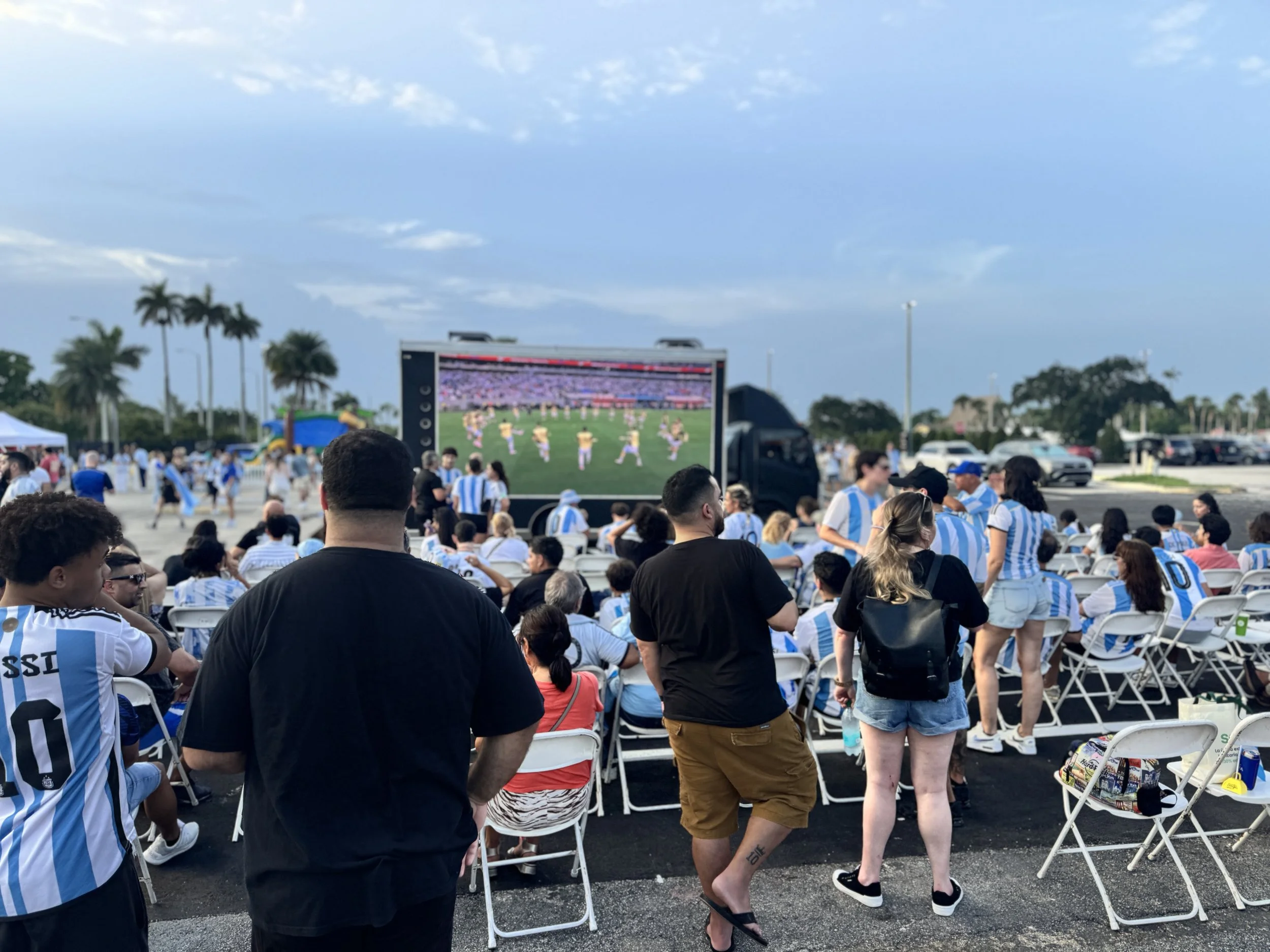
Schedule the truck near legally approved rally areas, debates, conventions, community gatherings, campuses and media events when audience concentration is highest.
Multi-market coordination
Use one truck for a district-level push or coordinate multiple units across cities and states with consistent campaign branding and localized calls to action.
Visible execution
Proof-of-performance photos and video help campaign teams document routes, creative playback and field activity for internal reporting and stakeholder updates.
Show the message in motion
Political advertising must be readable in seconds. The strongest billboard creative normally uses one dominant candidate image or visual, a short headline, a clear office or issue, and one direct action. Video should remain understandable without audio, while approved audio can be added where routes and local rules permit.
A practical election-week strategy
The exact plan should reflect the office, district boundaries, voting calendar, local traffic, budget, legal review and the campaign’s field priorities.
Build recognition
Launch before voting begins with candidate name, office, visual identity and a simple campaign message.
Support early voting
Shift toward voting reminders and approved calls to action while respecting polling-place buffers and electioneering restrictions.
Own key moments
Coordinate legal routes around debates, rallies, community events, media appearances and high-volume public corridors.
Finish strong
Increase frequency during the final days with clear election-date messaging and an organized multi-truck schedule where needed.
Visibility must stay lawful
Political advertising rules vary by jurisdiction and campaign type. Legal review is part of responsible planning.
Disclaimers and disclosures
Campaigns should confirm “paid for by” language, sponsorship identification, committee information and any required formatting before files are approved.
Polling-place restrictions
Routes, stopping points and messaging must respect electioneering buffer zones, parking rules, traffic laws and instructions from election officials.
Audio and operating rules
Exterior audio, hours of operation, vehicle movement and event access can be restricted by municipal codes, venues or local authorities.
Campaign responsibility
The advertiser and its counsel remain responsible for approving claims, images, endorsements, disclosures and compliance with campaign-finance requirements.
Frequently asked questions
How early should a campaign reserve a digital LED mobile billboard truck?
Reserve as early as possible for election week, major rallies, debates and competitive states. Availability can tighten quickly when several campaigns target the same dates and media markets.
Can campaign creative change during the route?
Yes. Approved images and video can be rotated, and updated files can be scheduled for different campaign phases. All new creative should be reviewed before playback.
Can one campaign use multiple trucks?
Yes. Multi-truck campaigns can cover separate counties, cities, events or commuter corridors at the same time. Coordinated scheduling helps build repetition across a larger district or statewide market.
Can the truck operate near early-voting or election-day locations?
Only where lawful. Campaigns must respect electioneering buffer zones, parking restrictions, traffic rules and directions from election officials. Routes should be reviewed in advance and adjusted when necessary.
What creative formats can be displayed?
Digital LED trucks can display approved JPEG images, MP4 video, animation, QR codes, countdowns and rotating messages. Creative should be bold, short and readable at a distance.
Does Mobile Billboard Global provide campaign reporting?
Campaign packages can include proof-of-performance photos and video. Confirm the reporting schedule and deliverables when requesting the quote.
Put your campaign message on the road
Send Mobile Billboard Global your target state, district, campaign dates, operating hours, number of trucks, creative format and priority locations. Our team will review availability and help develop a high-visibility route plan.